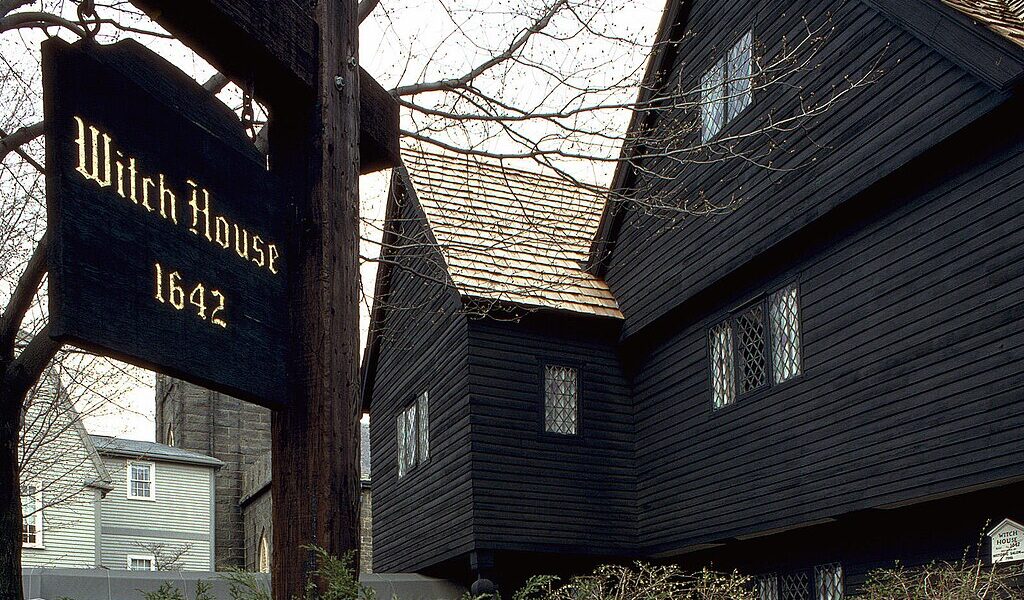

There’s no better place in the United States to embrace the magic of autumn than Salem, Massachusetts. With its storied past and crisp fall air, Salem is the perfect destination for an adventure for both thrill-seekers and history buffs. Make a memorable experience of a the most haunted places and historical gems in Salem, Massachusetts!
The History of Haunted Houses, Salem MA
The Salem Witch Trials hold a prominent place in American history and remain widely recognized for their significance. The trials took place in 1692 in colonial Massachusetts, beginning in the town of Salem. Suspicions of witchcraft among young girls ignited mass hysteria, which swept through Salem and resulted in accusations against over 200 people. Ultimately, authorities executed 20 individuals, most by hanging.
Superstition, fear, and local rivalries fueled the trials. Today the trials are a tragic example of injustice and the dangers of mass paranoia. Today, the Salem Witch Trials serve as a powerful reminder of the importance of due process and rational thought.
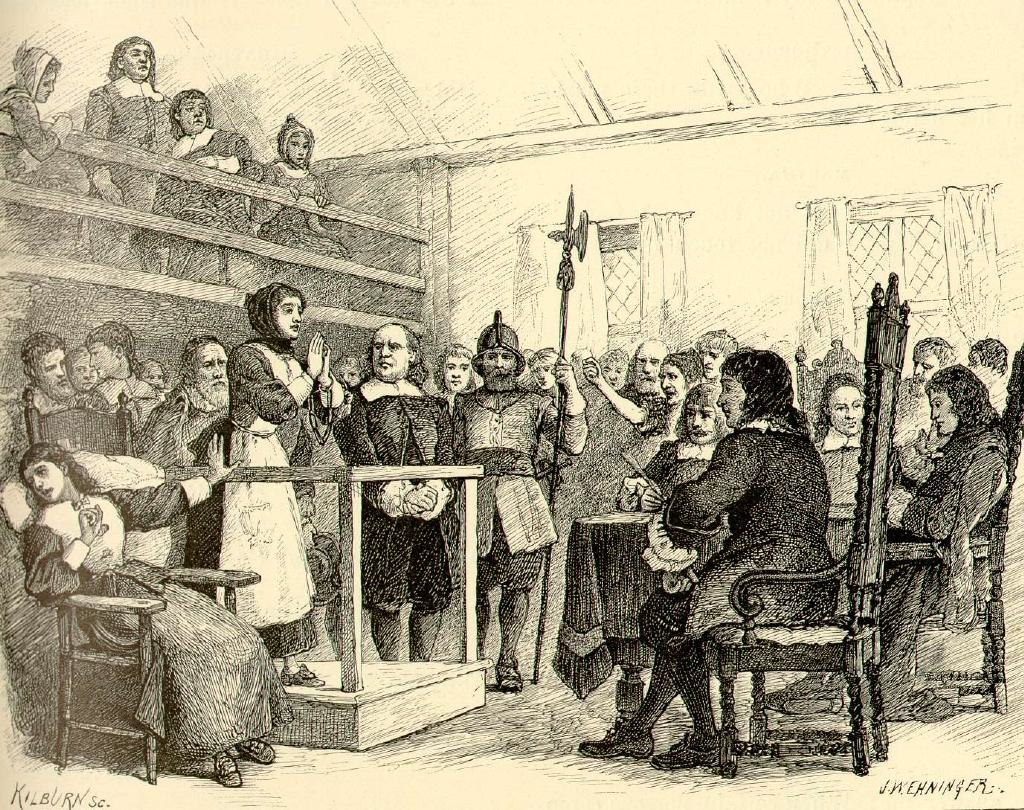
John Whetton Ehninger, Public domain, via Wikimedia Commons
As a result of these tragic circumstances, the town of Salem, Massachusetts has become a tourist hub. Some make it an annual pilgrimage in hopes of experiencing paranormal activity. Others are just curious history buffs that enjoy a “learning journey.” We tend to be road scholars ourselves. So, while we enjoy a fun ghost tour by talented live actors or tour guides, we aren’t hoping for any ghostly encounters!
To make your planning easier, check out our comprehensive Google Map of the area. It includes both haunted and historical attractions, places to eat, and accommodations. But if you want a curated adventure laid out for you, read on! There are options for spirit seekers and options for history buffs!
A Spellbinding Weekend or a Road Scholarly Sojourn in Salem?
Whether you’ve come to experience the paranormal or want to dive into the history of Salem, start your adventure by checking into the Salem Inn. This hotel is actually a collection of three 19th century historic homes. There is plenty of history here, but guests have also reported mysterious footsteps, flickering lights, and the occasional spectral sighting.
Fuel up with a hearty breakfast at the Salem Inn in their cozy break room (the original kitchen of the Capitan West House) or outside in the garden courtyard. The breakfast usually includes fresh fruit, bagels, pastries, coffee, tea, and made-to-order omelets.
Choose your adventure – Option 1- For the Thrill Seekers
Start you adventure with Salem’s most famous haunted house. Just a one minute walk from Salem Inn is The Witch House, the only building still standing in Salem with direct ties to the 1692 witch trials. The Witch House is also known as the Jonathan Corwin House. Sheriff Corwin helped to oversee the trials that led to numerous convictions and executions. The dark wood and creaking floors help to set the perfect tone for your weekend.
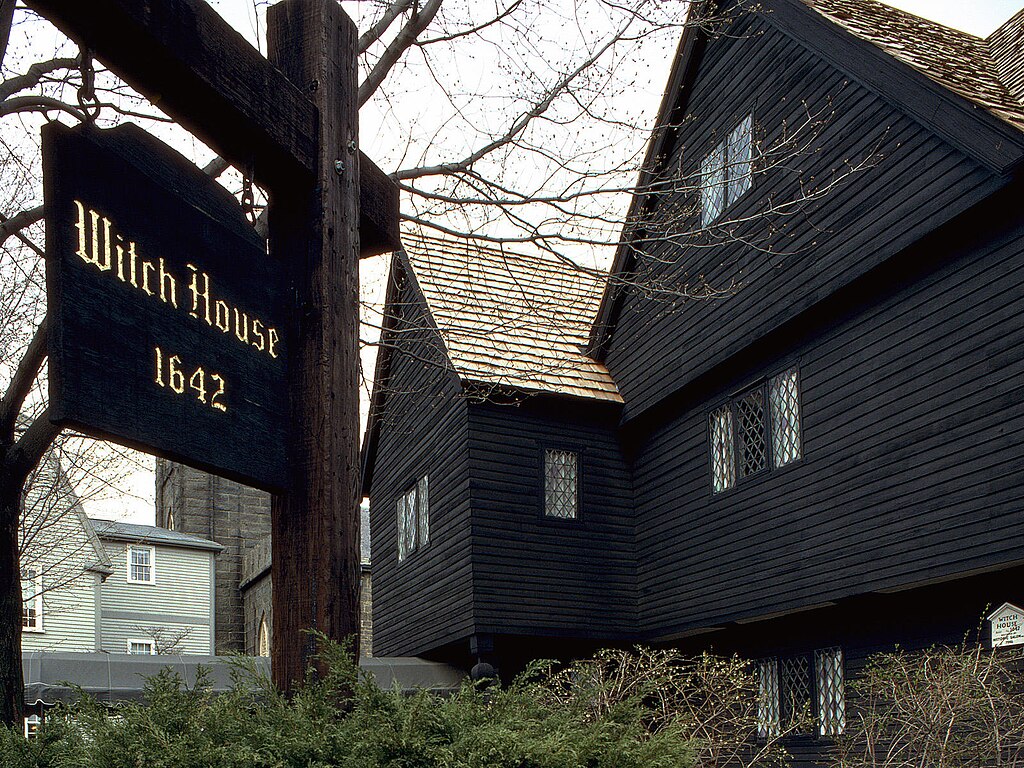
SalemPuritan, CC BY-SA 4.0 via Wikimedia Commons
Built between 1642 and 1675, this house offers an immersive experience of either self-guided or guided tours. Take a gander at the original 17th-century architecture, period furnishings, and educational exhibits about daily life in colonial New England. Exhibits delve into the history of the era, as well as Judge Corwin’s role in the infamous witchcraft trials.
From there, walk about 10-15 minutes east to the Salem Witch Village. Along the way, consider popping into a cool bookstore called, Wicked Good Books, and pick up something to read later while you rest your tired feet!
At Salem Witch Village you’ll dive deeper into the myths and realities of witchcraft with an interactive tour led by Salem locals and modern-day witches. The experience includes an immersive audio and visual journey through an indoor maze, where guests learn about the history of witches, the Salem witch trials, and how perceptions of witchcraft have evolved over time.
The Village is part of Salem’s “Haunted Neighborhood,” featuring nearby attractions like haunted houses, Pagan and Wiccan gift shops, and walking tours.
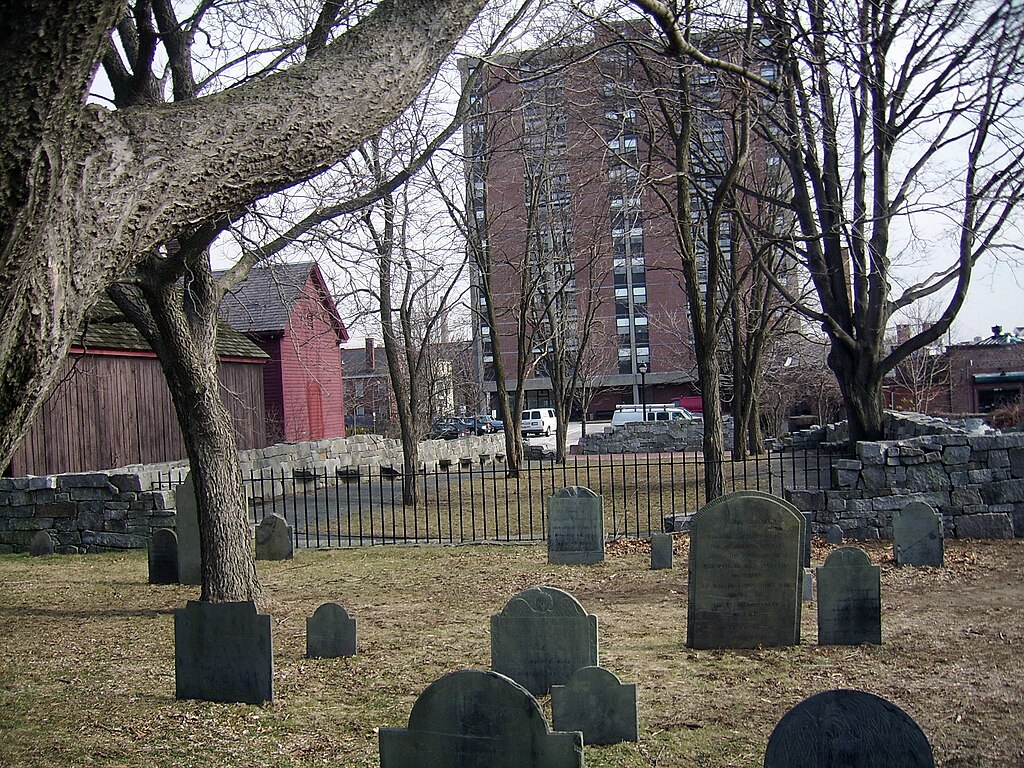
Reading Tom from Reading, UK, CC BY 2.0, via Wikimedia Commons
Within the Haunted Neighborhood, visit The Old Burying Point Cemetery, the oldest European burial ground in Salem and among the oldest in the country. The cemetery is the final resting place for many notable historical figures, including Judge John Hathorne of the Salem Witch Trials, Mayflower passenger Richard More, and architect Samuel McIntire.
None of the accused witches from the Salem Witch Trials are buried at the Old Burying Point Cemetery. Convicted witches were denied proper Christian burials in cemeteries at the time. Most of the 19 who were executed were buried in shallow, unmarked graves at Proctor’s Ledge, the actual execution site. Some bodies were later secretly moved by family members to unmarked private graves.
Option Two – For the History Buffs
After breakfast hop in a cab and head to the Salem Pioneer Village. You’ll be transported back to 1630 at this living museum, where costumed interpreters bring colonial Salem to life. Spread across three acres, the village was designed to represent Salem as it was in 1630. Experience authentic examples of colonial architecture, including dugouts, wigwams, thatched-roof cottages, as well as culinary and medicinal gardens and a blacksmith shop.
Guided tours, often led by Salem locals in period attire, offer insights into the daily lives, social customs, and challenges faced by early English settlers. The site is especially popular with fans of the film “Hocus Pocus,” as some scenes were filmed there, adding a pop culture connection to the historical atmosphere.
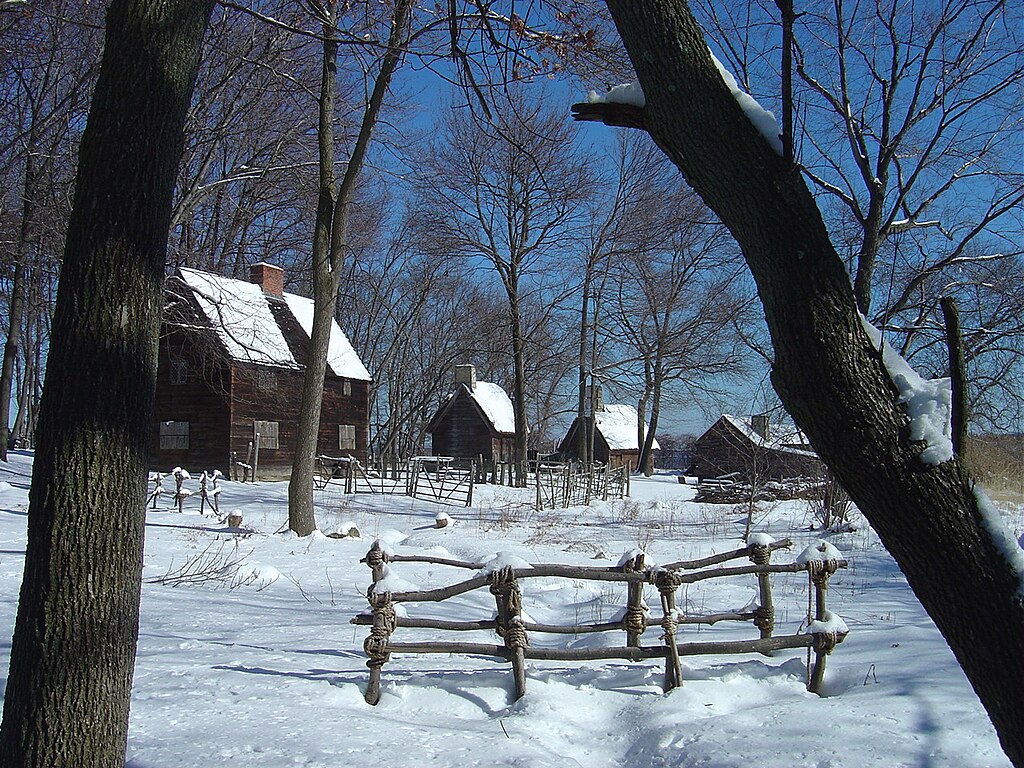
EKS1966 (talk)Erik K. Smith, CC via Wikimedia Commons
Fill up your afternoon with more history by visiting the Salem Maritime National Historic Site. Stroll along the waterfront and explore America’s first National Historic Site. Spanning nine acres along the waterfront, the site features twelve historic buildings, engaging exhibits, films, and a replica tall ship. Junior ranger activities at the visitor center make it a dynamic destination for families wishing to fill up on historical facts.
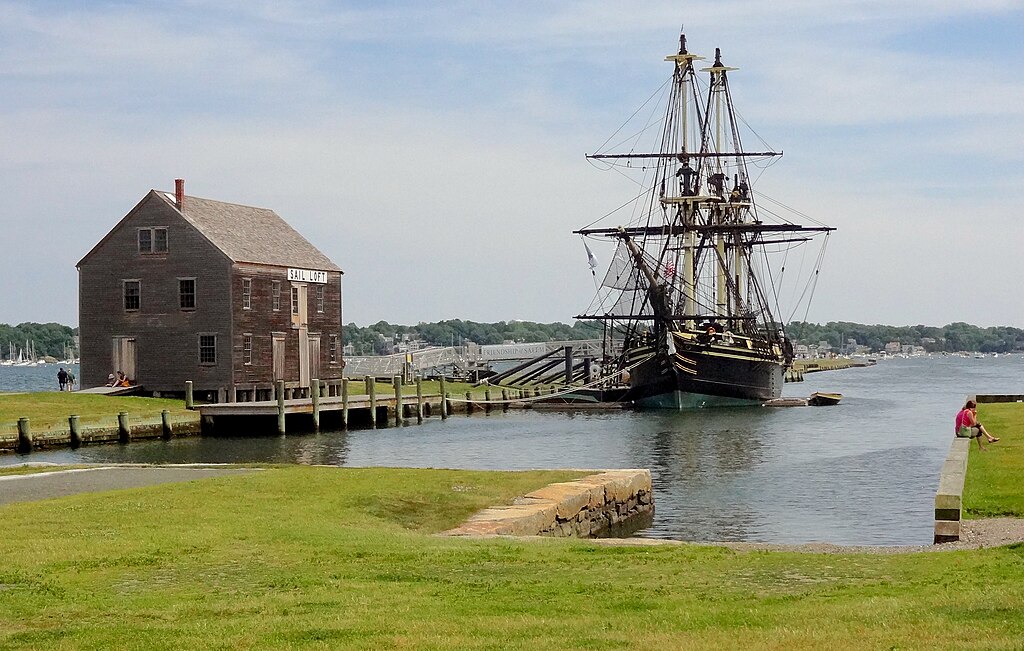
Rizka, CC BY-SA 3.0 via Wikimedia Commons
Whether you chose the spooktacular option or the historical option, we recommend Turner’s Seafood House in historic Lyceum Hall for dinner. Turner’s is renowned not only for its fresh seafood but it’s an excellent spot for those who are seeking more thrills AND those who want more history.
For the Thill Seeking Diners
Legend has it that the building is haunted by Bridget Bishop, the first woman executed during the witch trials. The building stands on land that was once owned by Bridget Bishop. Bridget Bishop’s apple orchard was located at what is now 43 Church Street, and her ownership of the property played a role in the accusations against her, with testimony during her trial referencing events that allegedly took place in the orchard. Diners have reported ghostly apparitions and unexplained cold spots while dining here.
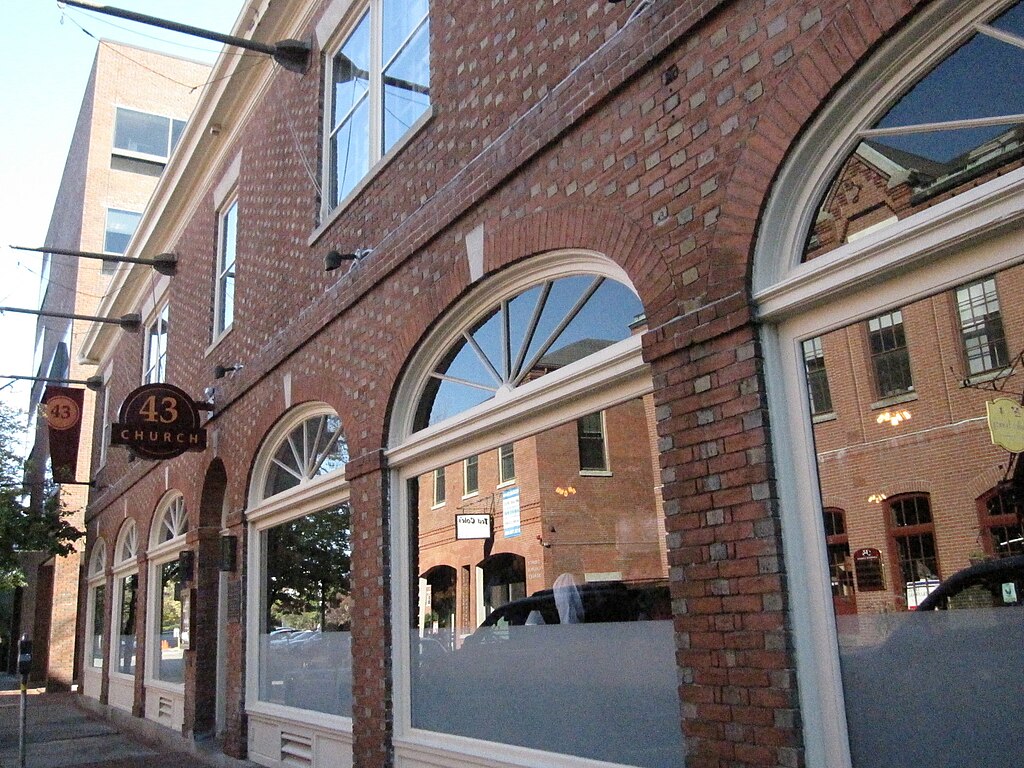
M2545, CC BY 3.0 via Wikimedia Commons
For the History Buff Diners
The Salem Lyceum Society built the hall in 1831, creating a center for “mutual education and rational entertainment. The hall hosted an impressive roster of speakers, including prominent figures like Daniel Webster, Ralph Waldo Emerson, John Quincy Adams, and Frederick Douglass, who addressed topics ranging from literature and science to politics and abolition.
Day 2 in Salem, Massachusetts-
Start your day with a crisp 15-minute walk from Salem Inn to Proctor’s Ledge Memorial. This is the site of the Salem Witch executions.
To get there, walk east from Salem’s Inn on Essex Street about 15 minutes. Turn right on Boston Street and left on Pope Street. A somber and simple memorial honors the 19 innocent people executed during the infamous Salem Witch Trials of 1692. As you make your way there, you’ll also pass Black Cat Diner, a highly rated spot for breakfast.
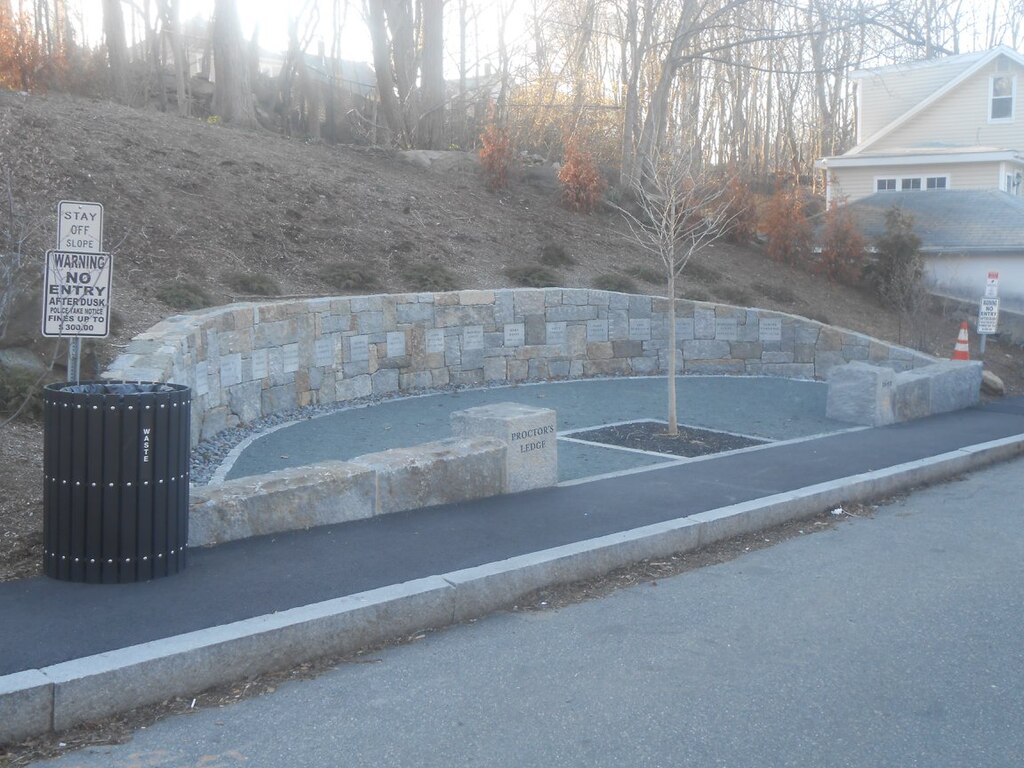
M2545, CC BY 3.0 via Wikimedia Commons
Spellbound sojourners aren’t the only ones who will appreciate this location. In 1766, John Adams wrote about it in his diary. He called the site Witchcraft Hill, and mentioned a number of locust trees that were later discovered to have grown on Proctor’s Ledge:
“Returned and dined at Cranch’s; after dinner walked to Witchcraft hill, a hill about half a mile from Cranch’s, where the famous persons formerly executed for witches were buried. Somebody within a few years has planted a number of locust trees over the graves, as a memorial of that memorable victory over the ‘prince of the power of the air.’ This hill is in a large common belonging to the proprietors of Salem, & c. From it you have a fair view of of the town, of the river, the north and south fields, of Marblehead, of Judge Lynde’s pleasure-house, & c. of Salem Village, &c” (Adams 199).
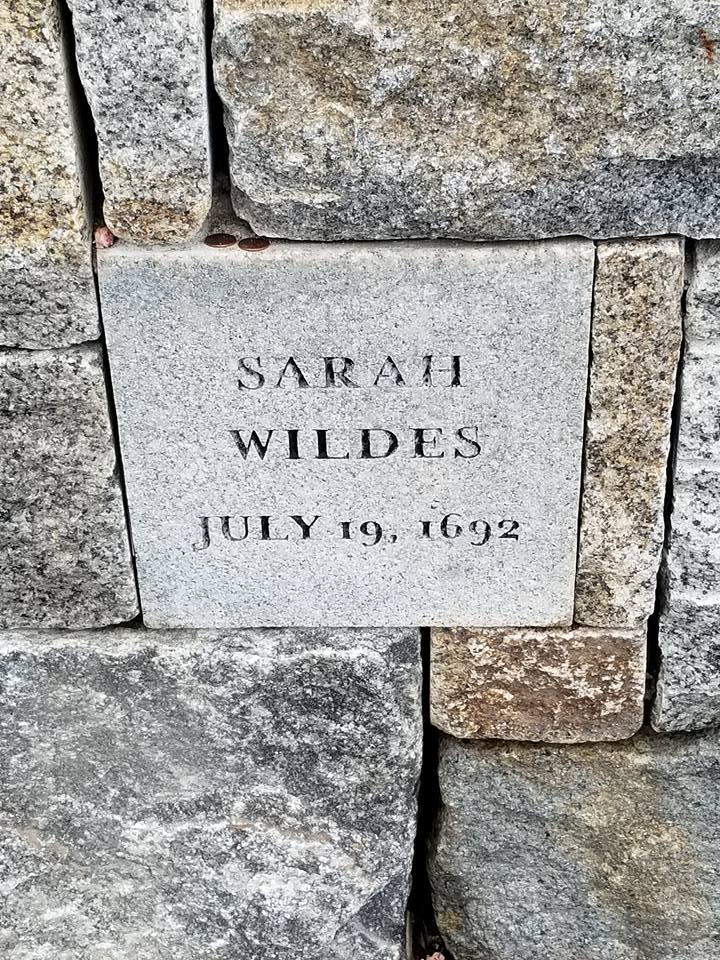
Jason Duncan, CC BY-SA 4.0 via Wikimedia Commons
Choose your adventure on Day 2: Option 1: Monsters, Museums & Mysteries
Take a 7-minute walk from Salem’s Inn to the haunted witch village and pay a visit to the Salem Museum of Torture. Not for the faint of heart, this museum offers a chilling look at the instruments of fear used throughout history.
From there walk another half mile to the Halloween Museum of Salem. This museum celebrates all things Halloween, making it the perfect destination for fans of the spooky and strange.
Head back along Essex St. toward Salem Inn and stop at Count Orlok’s Nightmare Gallery. Horror movie buffs will love this museum of screen-used props and lifelike monster statues.
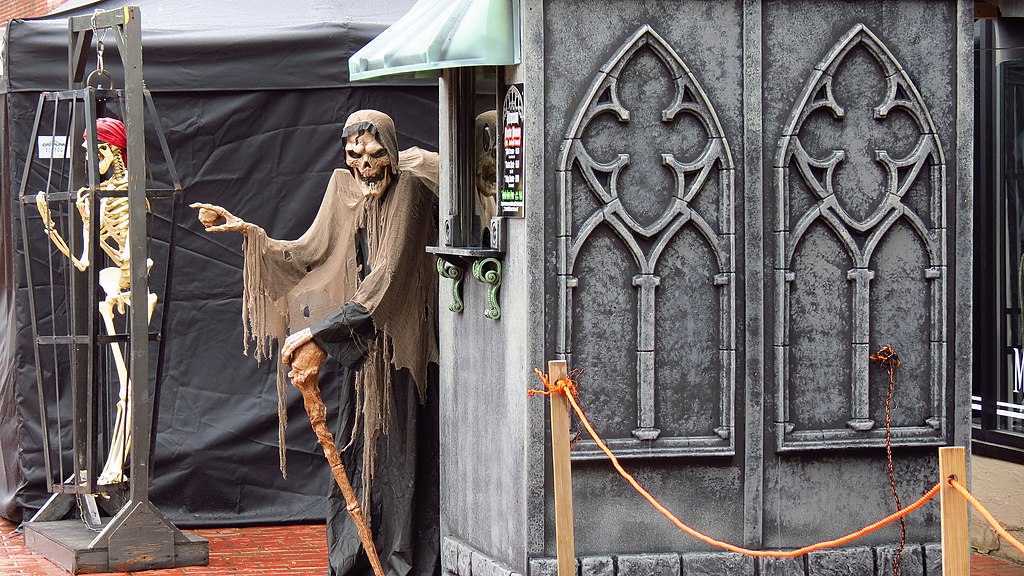
Robert Linsdell from St. Andrews, Canada, CC BY 2.0, via Wikimedia Commons
Continue your walk down Essex Street toward Lappin Park for an Instagram worthy picture of the Bewitched Sculpture, a statue of Samantha from the TV series Bewitched. Turn right on Barton Square and stop at Gallows Hill Museum.
Expect an interactive, immersive theatrical experience at Gallows Hill Museum. Live actors, special effects, ghostly projections, and 4D effects recreate the legends of the Salem Witch Trials. The main show, lasting about 30 minutes. Audience members enjoy a fact-based story combined with myth , audience participation and entertaining jump scares throughout the show.
Choose your adventure on Day 2: Option 2: Historical Matters of Things
After visiting Proctor’s Memorial, head back toward Salem Inn and stop at the Ropes Mansion and Garden. Three unmarried sisters owned and restored this historic house in the late 19th century. Today, the Peabody Essex Museum operates the property and welcomes the public for tours.
These 3 sisters were the great-granddaughters of Judge Nathaniel Ropes, the original owner of the mansion. Nathaniel Ropes was a prominent Salem figure in the 18th century, known as a Harvard-educated lawyer, judge, and colonial legislator. He openly supported the British as a loyalist during the American Revolution, which made him deeply unpopular and led an angry mob to raid his home shortly before he died of smallpox in 1774.
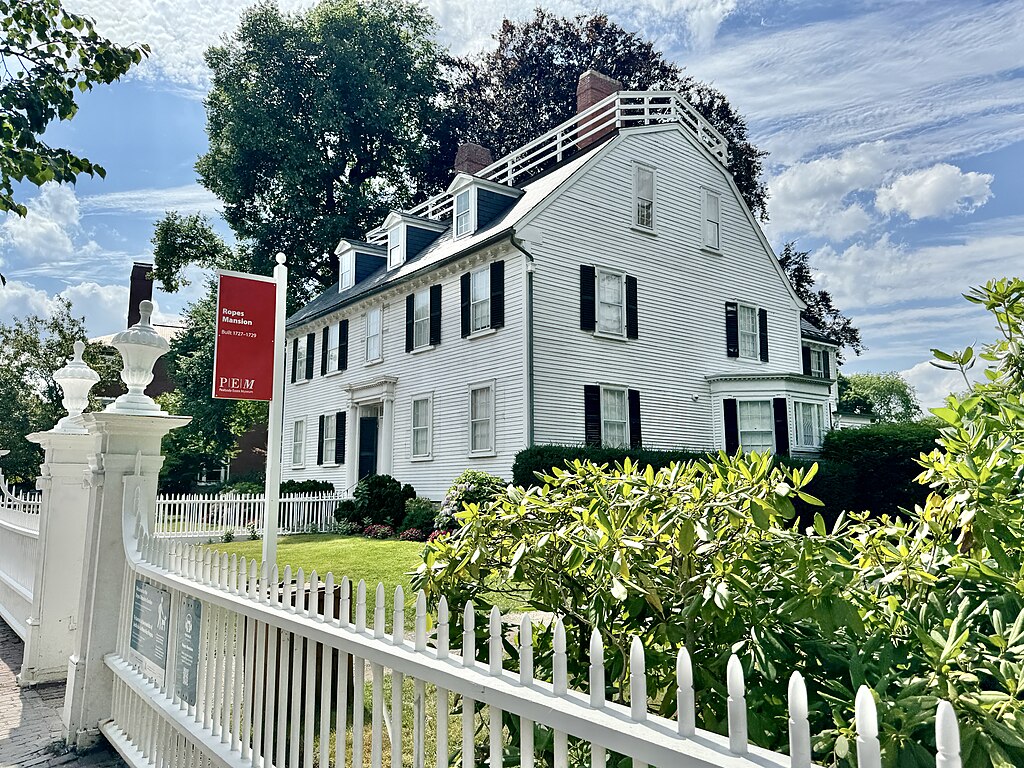
w_lemay, CC BY-SA 2.0 via Wikimedia Commons
Next, make your way to Phillips House. Located on historic Chestnut Street, Phillips House offers a glimpse into early 20th-century life in Salem. Tours showcase the family’s extensive collection and the era’s Colonial Revival architecture. This site stands out for its focus on a more recent chapter of Salem’s history.
If you’re up for a long 2 mile walk, (or short taxi ride) take your historical journey toward the harbor and visit The House of the Seven Gables. Made popular by the novel by Nathaniel Hawthorne, the mansion has secret staircases and shadowy corners that will intrigue any literary lover. Guided tours provide insight into the Turner family, the house’s architectural evolution, and its place in Salem’s storied past.
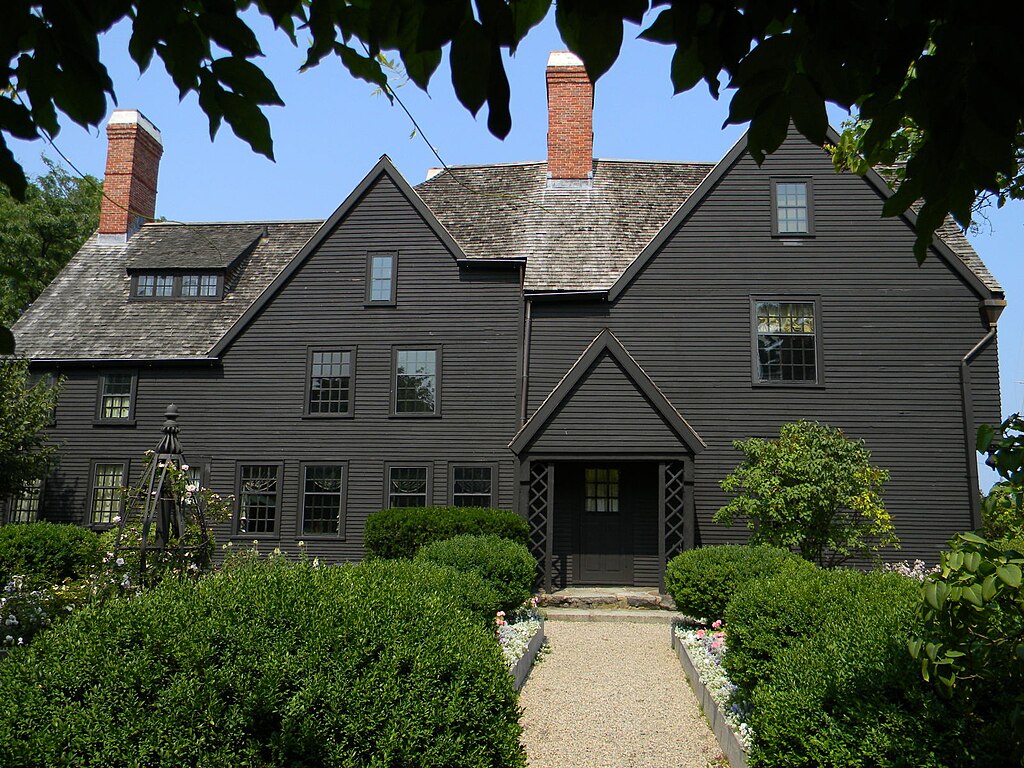

Upstateherd, CC BY-SA 4.0, via Wikimedia Commons
Walk back toward the Salem Inn and you’ll discover a true historical gem — the Joshua Ward House. Built nearly a century after the witch trials, this house stands on the site where Sheriff George Corwin’s 17th-century home once stood. Corwin was known for his brutal role in the Salem Witch Trials. According to local legend, people initially buried him in the basement to prevent survivors from stealing his body in revenge.
Even if the witch trial connection doesn’t interest you, the house’s rich history makes it a fascinating stop. President George Washington stayed at the Joshua Ward House for a night in 1789. Although you can’t tour the home, many walking tours stop here to discuss its architecture and its storied past.
David Adam Kess, CC BY-SA 4.0, via Wikimedia Commons
Destination Salem: Book early!
Fall is PEAK season in Salem and hotels and tours fill up fast! If you’re ready to experience Salem’s spellbinding charm, pack your broomstick and prepare for a weekend that you’re never forget! Even if you don’t want to explore haunted houses, Salem MA has so much history to offer, it’s worth exploring!
